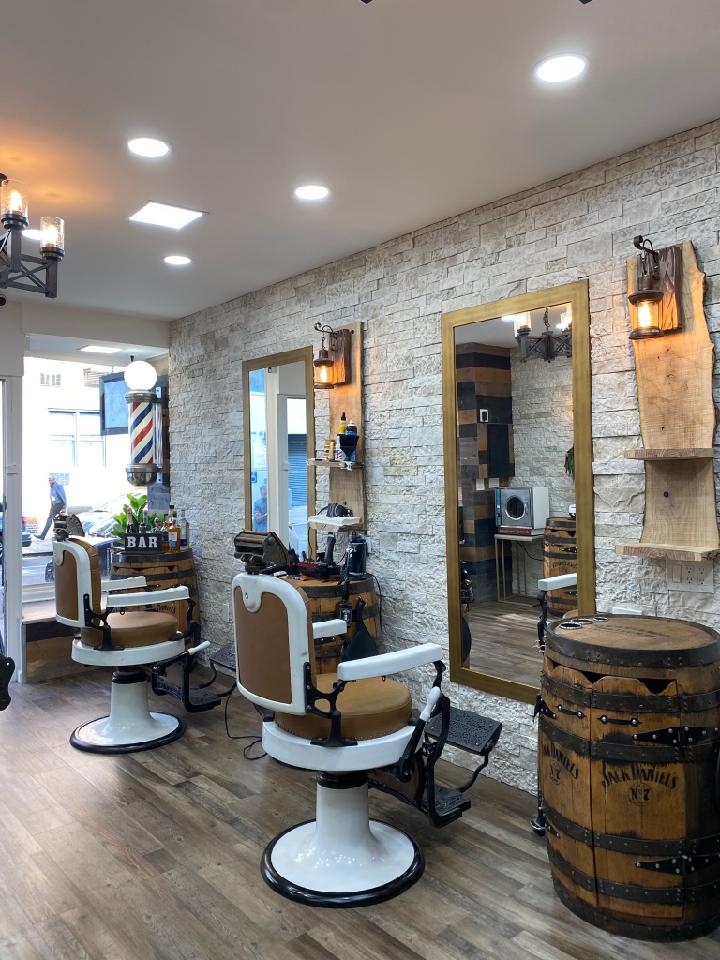
Trends in Men’s Hair Color: Techniques and Products

Trends in Men’s Hair Color: Techniques and Products

Explore the latest trends in men’s hair color, including innovative techniques and effective products to achieve vibrant looks. Discover how these advancements can enhance personal style and express individuality in today's fashion landscape.

What are the most popular balayage techniques for men’s hair coloring in 2023?

In 2023, the most popular balayage techniques for men’s hair coloring have evolved to include a variety of styles that enhance natural texture while providing depth and dimension. One prominent method is the "sunkissed" balayage, which involves lighter shades subtly blended into darker roots, creating an effortless sunlit look ideal for those seeking low-maintenance highlights. Another trending approach is "ombre," where colors transition from dark at the roots to significantly lighter tips, offering a striking contrast that draws attention without being overly dramatic. Additionally, "shadow root" techniques are increasingly favored; this style keeps darker tones near the scalp while allowing brighter hues through mid-lengths and ends—perfect for gentlemen with thick or textured hair who want sophistication in their color scheme. The use of richer caramel or ash-toned highlights has gained popularity as well since these shades complement various skin tones and add warmth or coolness depending on personal preferences. Furthermore, some stylists incorporate "color melts," blending two or more closely related shades seamlessly together to create an organic feel that looks fresh yet polished over time. Overall, men's balayage trends in 2023 focus heavily on enhancing individuality through tailored highlighting techniques while maintaining an overall stylish appearance suitable for both casual and formal settings.

A great barber experience not only ensures a stylish haircut but also provides relaxation and pampering that can enhance your overall well-being. By visiting the right barber, you will enjoy personalized service and expert advice tailored to your unique style needs. To discover more about achieving an exceptional barber experience, explore discover the benefits of a great hairstyle consultation

How do men's hair color products differ when utilizing ammonia-free formulas versus traditional dyes?

Men's hair color products can significantly differ when comparing ammonia-free formulas to traditional dyes, primarily in terms of their chemical composition and the impact on hair health. Ammonia-based dyes use alkaline agents that open up the hair cuticle layer, allowing for deeper penetration of pigment but often resulting in dryness and potential damage due to the harsh nature of ammonia. In contrast, ammonia-free alternatives typically utilize gentler ingredients like ethanolamine or MEA (monoethanolamine) which serve a similar purpose without causing as much stress on the hair structure; this leads to less fading over time while maintaining moisture levels. Additionally, many ammonia-free formulations are enriched with nourishing components such as botanical extracts or oils that promote shine and softness while providing long-lasting color results. These products tend to be favored by individuals seeking a more natural approach since they reduce irritation for sensitive scalps and minimize unpleasant odors associated with strong chemicals found in conventional dyes. Overall, choosing between these two types involves balancing desired intensity of color against considerations such as scalp sensitivity, overall hair condition post-treatment, longevity of hue retention, and personal preference regarding potentially harmful substances during application processes within modern grooming routines for men today.

In what ways can fade-resistant pigments enhance the longevity of men's vibrant hair colors?

Fade-resistant pigments play a crucial role in enhancing the longevity of men's vibrant hair colors by providing superior color retention and reducing the fading that often occurs with regular exposure to environmental factors. These specialized pigments are designed to resist degradation from UV rays, which can cause significant discoloration and dullness over time. Additionally, they help protect against oxidative damage caused by pollution and heat styling tools that can strip away vibrancy. The incorporation of fade-resistant technology ensures that bold hues like deep blues, fiery reds, or striking purples maintain their intensity longer than traditional dyes. Furthermore, many modern formulations use advanced bonding agents that adhere more effectively to hair fibers, preventing wash-out during shampooing while also minimizing color loss associated with everyday activities such as swimming or sweating. This durability not only allows for less frequent touch-ups but also provides men with confidence in their appearance without worrying about constant maintenance—ultimately making it easier for them to express themselves through vivid hairstyles without compromising on quality or aesthetics over prolonged periods.

What specific aftercare treatments are recommended to maintain colored textures in men’s hairstyles post-bleaching?

After bleaching hair, maintaining vibrant colored textures in men’s hairstyles requires a dedicated aftercare regimen that focuses on hydration and protection. It is crucial to use sulfate-free shampoos specifically designed for color-treated hair, as sulfates can strip away pigments and moisture. Incorporating deep conditioning treatments or hydrating masks infused with nourishing oils like argan oil or coconut oil helps restore lost moisture while enhancing shine and softness. Regularly applying leave-in conditioners enriched with UV filters will protect the hair from sun damage, which can fade colors over time. Additionally, utilizing heat protectants before styling tools prevents further damage from high temperatures during blow-drying or straightening sessions. To maintain the vibrancy of blondes or pastel shades, using purple shampoo weekly neutralizes unwanted brassy tones by balancing out yellow hues; this keeps cool undertones intact without compromising the integrity of bleached strands. Furthermore, it's advisable to schedule regular visits to a professional stylist for toning services to refresh color every few weeks based on individual needs since fading occurs naturally with washing and exposure to environmental elements such as chlorine from swimming pools or pollutants in urban areas. Overall, adopting these targeted care practices ensures longevity of beautiful colored textures while minimizing breakage and dryness associated with post-bleaching effects.

Which trending color correction methods are most effective for addressing unwanted tones in men’s dyed hair?

Recent trends in color correction methods for addressing unwanted tones in men’s dyed hair have become increasingly effective, employing various techniques and products aimed at neutralizing brassy or overly warm shades. One of the most popular approaches involves using purple or blue shampoos that specifically target yellow and orange undertones; these shampoos contain violet pigments that counteract warmth by balancing out the hues, making them ideal for blondes or light-brown haired individuals seeking to cool down their tone. Another method gaining traction is the application of toners—lightweight formulations rich in specific color pigments—which can be applied after dyeing to refine and adjust any undesirable hues left over from the coloring process. Additionally, professional salons often utilize demi-permanent dyes as a way to subtly adjust existing colors without committing to a full re-dye; this technique allows stylists to blend away unwanted tints while enhancing overall vibrancy with minimal damage. For those experiencing significant fading issues due to environmental factors like sun exposure or chlorine buildup, clarifying treatments followed by deep conditioning masks can refresh both texture and tone before applying corrective solutions. Furthermore, employing balayage techniques strategically throughout lighter areas can seamlessly blend warmer tones into cooler ones while maintaining an effortless appearance that aligns well with current hairstyle trends among men today. Ultimately, selecting the right combination of these trending color correction methods ensures not only visual appeal but also boosts confidence through enhanced personal grooming practices tailored specifically for men's hair care needs.

Frequently Asked Questions

Achieving a natural-looking balayage on dark hair involves several key techniques that enhance the overall depth and dimension without appearing overly processed. First, using a freehand painting method allows for seamless transitions between shades, creating soft highlights that mimic sun-kissed strands. Selecting lighter hues with warm undertones can complement deep brunette or black bases while avoiding stark contrasts; incorporating caramel, honey, or ash blonde tones enhances richness. Sectioning the hair into strategic subsections is crucial; employing diagonal slices instead of traditional foils helps in achieving that lived-in effect with subtle variations throughout. The use of low-volume developer ensures minimal lift while maintaining integrity and shine in the dark tresses. Additionally, blending products like toners post-application can refine any brassiness and create a cohesive finish. Regular maintenance through color-safe shampoos and conditioning treatments will preserve vibrancy over time, ensuring the balayage remains fresh and naturally blended as it grows out.

Choosing the right shade of blonde that complements one's skin tone involves considering various factors such as undertones, contrast levels, and personal style preferences. Individuals with warm undertones in their complexion typically benefit from golden blondes or honey tones, while those with cool undertones may find platinum or ash blondes more flattering. Additionally, assessing the level of contrast between hair and skin is crucial; lighter shades can enhance a fair complexion, whereas darker blonde hues might provide balance for deeper skin tones. Consulting color swatches under natural lighting can aid in visualizing how different shades interact with existing features like eye color and freckles. Ultimately, seeking guidance from professional hairstylists or utilizing virtual try-on tools can further refine this decision-making process by ensuring that chosen hues harmonize beautifully with overall aesthetics.

Before applying bleach, it is essential to utilize a comprehensive range of protective products designed to mitigate damage and maintain hair integrity. A high-quality pre-bleach treatment containing nourishing oils, such as argan or coconut oil, can provide an effective barrier that helps seal the cuticle and retain moisture. Additionally, using a bond-building product infused with ingredients like aminopropyl dimethylamine or hydrolyzed keratin will fortify the hair structure against oxidative stress caused by bleaching agents. Moreover, incorporating a deep conditioning mask prior to application ensures enhanced hydration levels while minimizing porosity and brittleness post-treatment. Lastly, employing scalp protectants formulated with soothing botanical extracts can safeguard sensitive skin from potential irritation during the bleaching process. Together, these specialized products create a robust defense system for optimal results while reducing adverse effects associated with chemical treatments.

Men with colored hair should ideally schedule touch-ups every four to six weeks to maintain vibrancy and prevent a noticeable fade or regrowth of their natural color. This timeframe allows for the upkeep of rich tones, whether it's bold hues like azure, crimson, or platinum blonde, ensuring that the shades remain saturated and lively. Regular maintenance appointments are crucial for managing potential brassiness in lighter colors and preserving depth in darker shades. Additionally, using specialized shampoos formulated for color-treated hair can extend the life of the pigment while minimizing damage from environmental factors. By adhering to this schedule, men can achieve a polished look that highlights their style without compromising on quality or appearance.

Semi-permanent and permanent hair color for men's hairstyles differ significantly in formulation, longevity, and application process. Semi-permanent hair dye typically contains no ammonia and features a lower level of peroxide, allowing it to penetrate the hair shaft without altering its natural structure extensively; thus, it gradually fades over time—typically lasting from four to twelve washes—which makes it an ideal choice for men seeking subtle changes or experimenting with shades while maintaining their original hue. Conversely, permanent hair color employs stronger chemicals that fully open the cuticle layer of the hair to deposit pigment deeply within the cortex; this results in a long-lasting effect that can endure until new growth occurs at the roots. Additionally, while semi-permanent options provide less damage due to their gentler formula and are often used for toning or enhancing existing colors (such as adding depth or gloss), permanent dyes offer complete gray coverage and allow for drastic transformations like going from dark brown to platinum blonde. Ultimately, men's choices between these two types hinge on factors such as desired commitment level, maintenance routines post-application—and whether they prioritize vibrant alterations versus temporary enhancements in shade or texture.
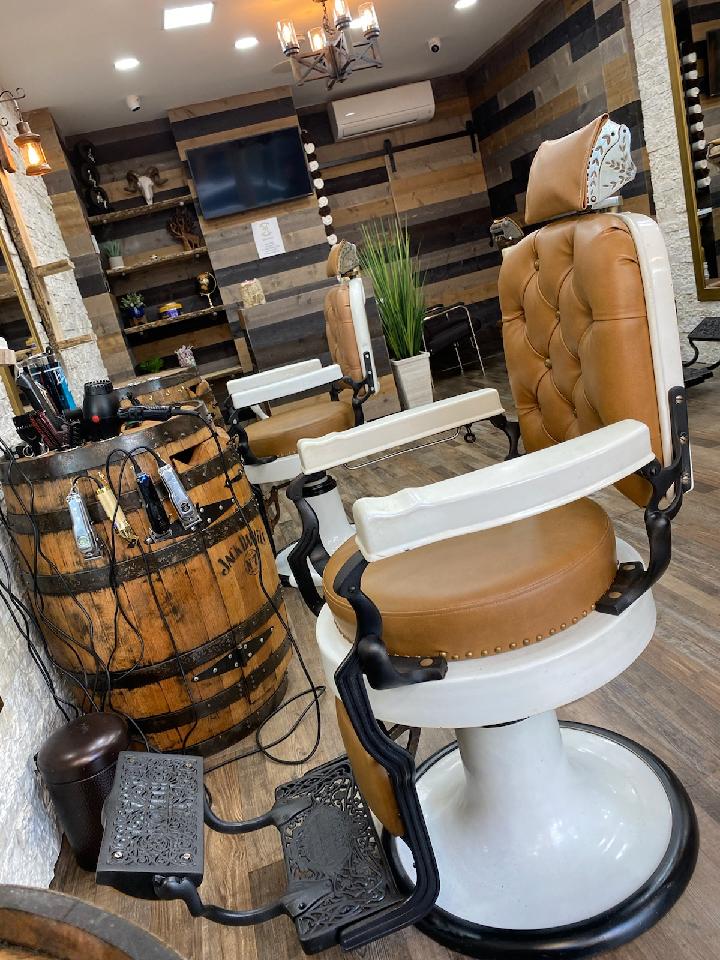
Trends in Men’s Hair Color: Techniques and Products

Trends in Men’s Hair Color: Techniques and Products

Contact Us

Mankind Barbers NYC

  • Address: 328 East 66th Street, East Store, New York, NY 10065
  • Phone: (718) 644-9536
  • Email: mankindbarbersnyc@mail.com

© Copyright - All Rights Reserved