The Role of Business Background Music Systems in Customer Experience

The Role of Business Background Music Systems in Customer Experience

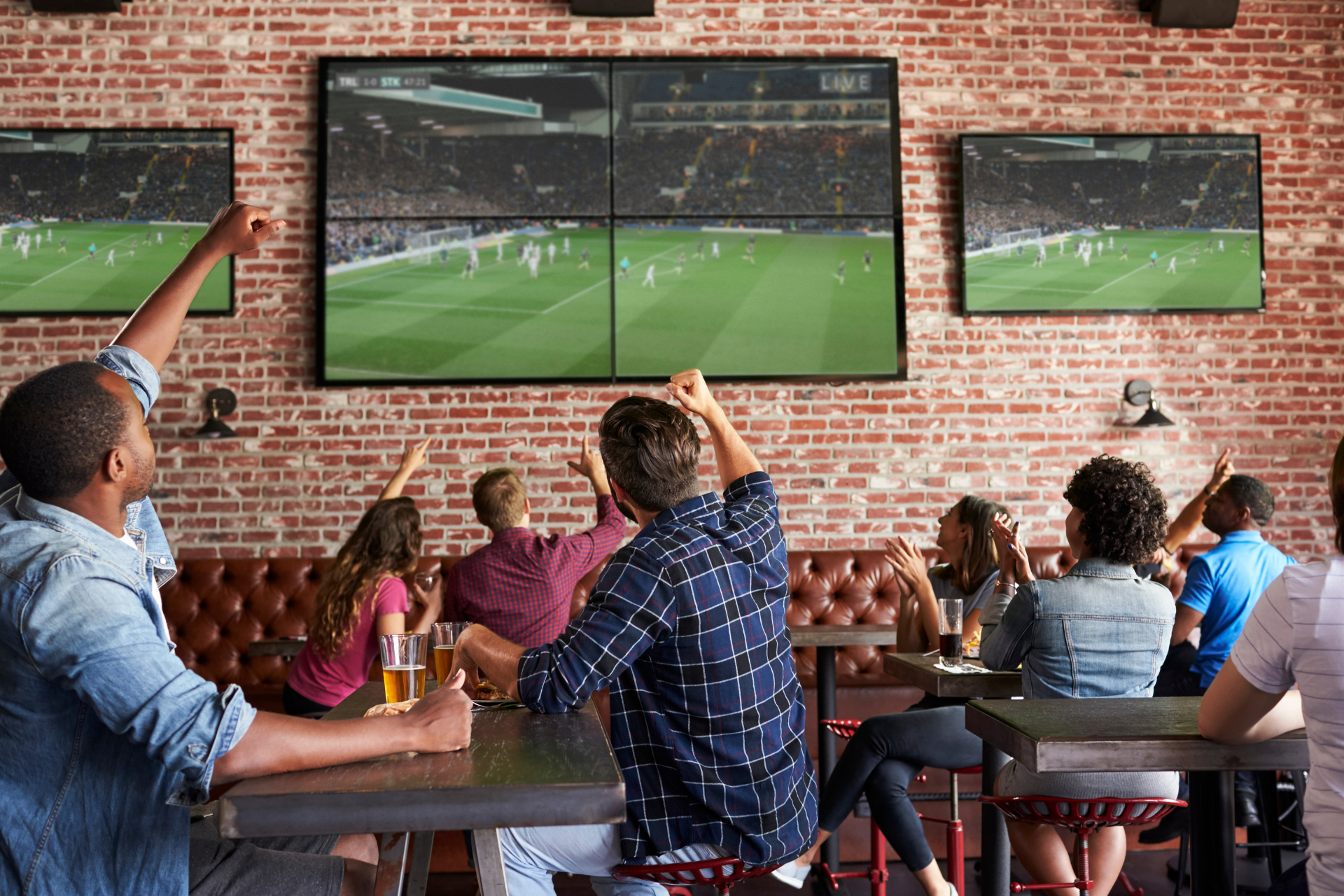
Discover how business background music systems enhance customer experience by creating an inviting atmosphere and influencing purchasing behavior. Explore the impact of sound on consumer satisfaction and engagement in commercial spaces.

How do tempo and rhythm in business background music systems influence customer dwell time in retail environments?

Tempo and rhythm in business background music systems play a significant role in influencing customer dwell time within retail environments by creating an atmosphere that can either encourage prolonged browsing or hasten exit. When the tempo of the music is moderate, often between 60 to 80 beats per minute, it tends to promote a relaxed shopping experience, allowing customers to feel comfortable and engaged as they explore products; this ultimately leads to increased dwell time as shoppers are more likely to linger while making purchasing decisions. Conversely, faster tempos can generate excitement but may also induce urgency, prompting customers to make quicker choices and potentially reducing their overall stay in the store. The rhythmic structure of the music—whether it consists of repetitive patterns or varied dynamics—also affects how consumers perceive their environment; consistent rhythms might create familiarity and predictability that enhance satisfaction levels while sporadic changes could stimulate interest but also lead some individuals toward impatience if perceived as disruptive. Furthermore, aligning musical styles with brand identity reinforces emotional connections for consumers; for instance, upbeat pop tunes might resonate well with younger audiences looking for trendy items whereas classical compositions may appeal more effectively to luxury shoppers seeking sophistication. Ultimately, careful selection of tempo and rhythm not only enhances the sensory ambiance but significantly impacts consumer behavior regarding how long they choose to remain immersed in a retail space before deciding on purchases or exits.

Mood Media Solutions in Phoenix, AZ, enhances customer experiences through immersive audio and visual solutions. By exploring their services, businesses can discover how to create engaging environments that captivate and retain customers. To learn more about transforming your space with effective media strategies, visit https://www.commercialavservices.com/local-mood-media-dealer-in-phoenix-az

What impact does the use of genre-specific playlists have on consumer purchasing behavior within cafes and restaurants?

The use of genre-specific playlists in cafes and restaurants significantly influences consumer purchasing behavior by creating an atmosphere that enhances the overall dining experience, leading to increased customer satisfaction and spending. When establishments curate music that aligns with specific genres such as jazz, classical, or indie pop, it sets a particular mood that can make patrons feel more relaxed or energized—factors which are crucial in influencing how long they stay and what they order. For instance, upbeat tempos may encourage quicker service and larger orders during busy hours while mellow tunes might lead customers to linger over coffee or dessert purchases. This strategic selection of music can also evoke emotions associated with nostalgia or cultural significance tied to certain genres; thereby fostering a sense of comfort which prompts consumers to indulge more freely on menu items like specialty coffees, artisan pastries, or gourmet meals. Moreover, when diners associate positive feelings elicited by background music with their food choices—such as pairing smooth bossa nova rhythms with exotic dishes—they become more likely to spend beyond their initial budget due to heightened enjoyment levels influenced by audio branding strategies employed through these curated playlists. Ultimately, the careful alignment between musical selections and culinary offerings not only shapes individual experiences but also plays a pivotal role in cultivating brand loyalty among consumers who seek out those enjoyable environments repeatedly for social gatherings or casual outings alike.

In what ways can adaptive music systems enhance the emotional engagement of customers during their shopping experience?

Adaptive music systems can significantly enhance emotional engagement during the shopping experience by dynamically adjusting soundscapes based on real-time customer behaviors and environmental factors. By utilizing algorithms that analyze data such as foot traffic, time spent in specific areas, and even weather conditions, these systems create an immersive auditory environment tailored to evoke desired emotions like joy or excitement. For instance, upbeat tempos may be played during busy periods to energize shoppers while slower melodies could facilitate a more relaxed atmosphere when fewer customers are present. Furthermore, the integration of familiar tunes or genre-specific playlists helps establish brand identity and fosters nostalgia, which can enhance feelings of comfort and connection among consumers. Studies have shown that certain musical elements—like volume changes or tempo variations—can influence purchasing decisions by increasing dwell time in-store and encouraging impulse buys through heightened mood states. Additionally, adaptive music systems often incorporate feedback mechanisms that allow them to refine their selections continuously based on consumer response patterns observed via technologies like facial recognition or mobile app interactions; this results in a highly personalized shopping journey where sound becomes an integral part of the overall sensory experience. Overall, implementing these innovative audio solutions not only enhances emotional well-being but also drives sales performance by creating memorable connections between consumers and retail environments.

How do volume levels of ambient background music correlate with perceived service quality among patrons in hospitality venues?

The volume levels of ambient background music in hospitality venues, such as restaurants and cafes, play a crucial role in shaping the patrons' overall experience and perceived service quality. Studies have shown that an optimal sound level can enhance customer satisfaction by creating a welcoming atmosphere that encourages social interaction among guests while also providing enough auditory stimulation to mask intrusive sounds from other diners or kitchen activities. When the music is too loud, it may lead to increased stress and discomfort, negatively affecting communication between customers and staff; this often results in lower ratings for service quality because patrons might feel rushed or unable to converse comfortably with their companions. Conversely, if the background music is played at an excessively low volume, it could make the environment seem sterile or uninviting, leading customers to perceive a lack of energy within the venue. The genre of music also contributes significantly: upbeat tunes tend to energize guests while slower tempos may create feelings of relaxation but should be balanced carefully so as not to induce lethargy during meal times. Additionally, seasonal changes or special events can dictate shifts in appropriate volumes—louder levels might suit lively celebrations whereas quieter settings are more fitting for intimate gatherings—thus playing into how these factors influence patrons’ perceptions regarding warmth and attentiveness from staff members alongside their enjoyment of food offerings. Therefore, maintaining ideal ambient soundscapes through careful regulation ensures positive feedback loops where satisfied customers associate enjoyable experiences with high-quality services provided by attentive personnel who understand acoustical dynamics within dining spaces.

What role does soundscaping play in creating a cohesive brand identity through business background music selections?

Soundscaping plays a crucial role in establishing a cohesive brand identity through carefully curated business background music selections, as it enhances the overall atmosphere and emotional experience within commercial spaces. The strategic selection of auditory elements such as melodies, rhythms, and harmonies can evoke specific feelings that resonate with target audiences, reinforcing brand values and enhancing customer engagement. For instance, upbeat tempos might create an energetic vibe in retail environments aimed at younger consumers seeking excitement, while softer instrumental pieces could foster relaxation in hospitality settings where comfort is paramount. Additionally, consistency in sound design across various platforms—like physical stores or online marketing campaigns—helps to build recognition and loyalty; customers begin to associate particular sounds or genres with the essence of the brand itself. This intentional integration not only supports branding efforts by creating memorable experiences but also influences consumer behavior positively by encouraging longer dwell times and increasing sales potential through a well-crafted sonic environment that aligns perfectly with visual branding elements like logos and color schemes. Thus, effective soundscaping acts as an invisible yet powerful tool for businesses looking to differentiate themselves in competitive markets by ensuring every auditory detail echoes their unique narrative consistently throughout all customer touchpoints.

Frequently Asked Questions

The tempo of background music in retail environments significantly influences customer spending behavior by affecting mood, perception of time, and overall shopping experience. Research indicates that faster tempos can create a sense of urgency, prompting customers to make quicker purchasing decisions and potentially increasing impulse buys. Conversely, slower tempos tend to encourage relaxation and prolonged browsing periods, allowing consumers more time to contemplate their purchases which may lead to higher expenditure per visit. Additionally, the musical style—whether it be upbeat pop or mellow jazz—can evoke specific emotional responses that further shape consumer attitudes toward products. This interplay between auditory stimuli and behavioral economics highlights the critical role that carefully curated soundscapes play in enhancing shopper engagement and optimizing sales strategies within brick-and-mortar establishments.

The use of genre-specific music in cafes significantly influences customer mood and engagement, harnessing the psychological principles of environmental psychology and auditory stimuli. Research indicates that ambient soundscapes tailored to specific genres—such as soft jazz, upbeat pop, or mellow acoustic melodies—can evoke particular emotional responses, thereby enhancing patrons' overall experience. For instance, soothing classical compositions may foster relaxation and contemplation among customers seeking a tranquil atmosphere for socialization or work productivity. Conversely, high-energy dance tracks can elevate arousal levels and promote sociability during peak hours when lively interactions are desired. Additionally, the congruence between musical tempo and café ambiance contributes to cognitive dissonance reduction; an uplifting soundtrack aligns with positive consumer perceptions of service quality while increasing time spent within the establishment—a phenomenon directly correlated with higher spending behavior. Such strategic audio branding not only cultivates brand identity but also reinforces customer loyalty by creating memorable experiences through carefully curated sonic environments that resonate emotionally with diverse clientele demographics.

Businesses can strategically leverage seasonal playlists to significantly enhance customer experience during holidays or special events by curating a carefully selected array of music that aligns with the festive atmosphere. By incorporating genre-specific tracks, nostalgic tunes, and culturally relevant songs into their audio branding strategy, establishments create an immersive auditory environment that resonates emotionally with patrons. This thoughtful integration of soundscapes not only elevates brand identity but also fosters a sense of community among customers who share in the collective celebration. During peak shopping seasons like Christmas or Valentine's Day, for instance, businesses can utilize upbeat holiday classics or romantic ballads to evoke joy and nostalgia while encouraging longer dwell times and increased foot traffic. Additionally, leveraging platforms such as Spotify or Apple Music allows for seamless updates to these curated playlists based on real-time feedback from consumers' preferences, thereby ensuring an engaging atmosphere that enhances overall customer satisfaction and loyalty throughout various occasions.

When selecting a sound system for optimal audio quality in large spaces such as malls, several technical specifications must be meticulously considered to ensure superior auditory clarity and even sound distribution. Key factors include the acoustic properties of the environment, necessitating an analysis of reverberation time and background noise levels. The choice of speakers should encompass full-range loudspeakers with wide frequency response capabilities, complemented by subwoofers to deliver deep bass frequencies essential for immersive experiences. Additionally, amplifier power ratings are crucial; they should match or exceed speaker requirements to prevent distortion at higher volumes. Employing distributed audio systems with multiple strategically placed speakers can mitigate dead spots while enhancing overall coverage through uniform decibel levels across vast areas. Furthermore, integration of DSP (Digital Signal Processing) technology allows real-time equalization adjustments tailored to specific acoustics and audience dynamics within the space. Lastly, connectivity options including wireless transmission protocols facilitate seamless integration with existing infrastructure without compromising signal integrity or introducing latency issues during live events or announcements.

Cultural differences significantly influence the effectiveness of background music choices in various international markets, as they shape consumer perceptions, emotional responses, and purchasing behaviors. For instance, while Western audiences may respond positively to upbeat pop or rock tunes that evoke feelings of happiness and energy during retail experiences, consumers in East Asian regions might prefer softer instrumental melodies that promote tranquility and focus within shopping environments. Additionally, local musical heritage plays a crucial role; traditional folk music can resonate deeply with audiences in specific cultures by invoking nostalgia or cultural pride. Factors such as tempo preferences, harmonic structures, lyrical content (if applicable), and even instrumentation vary widely across demographics influenced by social norms and values—thereby affecting brand identity alignment through auditory aesthetics. Consequently, brands aiming for cross-cultural marketing success must strategically curate their soundscapes to harmonize with regional sensibilities while enhancing customer engagement through tailored sonic branding initiatives that reflect distinctively localized tastes.

The Role of Business Background Music Systems in Customer Experience

The Role of Business Background Music Systems in Customer Experience

Contact Us

Commercial AV Services

  • Address: 2432 W Peoria Ave Suite 1204 Phoenix, AZ 85029
  • Phone: (602) 626-5800
  • Email: commercialavservices@mail.com

© Copyright - All Rights Reserved