Frequently Asked Questions
Neuromuscular reeducation plays a critical role in enhancing joint stability post-knee surgery by facilitating proprioceptive feedback and neuromuscular control, which are essential for maintaining optimal knee function. This therapeutic approach employs targeted exercises that activate the quadriceps, hamstrings, and surrounding musculature to restore dynamic balance and coordination within the kinetic chain. By engaging specific motor pathways through repetitive movement patterns and functional training techniques, neuromuscular reeducation strengthens stabilizing muscles around the knee joint while promoting synaptic plasticity. The integration of closed-chain activities further enhances weight-bearing stability and reduces apprehension during ambulation or sport-specific tasks. Consequently, this rehabilitation strategy not only mitigates risks associated with delayed healing but also reinforces ligamentous integrity by optimizing biomechanical alignment throughout various ranges of motion, ultimately fostering greater resilience against future injuries following surgical intervention.
Proprioception training plays a critical role in the neuromuscular reeducation process following shoulder surgery by enhancing joint stability, improving kinesthetic awareness, and facilitating motor control. This specialized form of rehabilitation focuses on retraining the body’s ability to sense its position in space through targeted exercises that engage proprioceptors located within muscles and joints. By incorporating balance activities, dynamic stabilization drills, and functional movement patterns into postoperative care regimens, patients can effectively restore range of motion while minimizing compensatory strategies that may lead to further injury or dysfunction. Additionally, proprioceptive feedback mechanisms are essential for optimizing neuromuscular coordination and strength during recovery phases, ultimately contributing to improved athletic performance and daily task efficiency post-surgery. As such, integrating proprioception-focused interventions is vital for achieving comprehensive rehabilitation outcomes after shoulder procedures like rotator cuff repairs or labral reconstructions.
Neuromuscular reeducation techniques, which encompass various therapeutic modalities such as proprioceptive training, neuromuscular facilitation, and functional movement patterns, can significantly aid in reducing post-operative pain by enhancing motor control and improving neuromuscular function. By focusing on the restoration of optimal muscle coordination and joint stability through targeted exercises that promote sensorimotor integration and balance retraining, these techniques facilitate quicker recovery of affected areas while minimizing compensatory movements that often lead to pain exacerbation. Additionally, neuroplasticity is harnessed during this process; the brain's ability to reorganize itself allows for improved pathways in how sensory information related to pain is processed. Consequently, patients may experience a reduction in nociceptive signals due to enhanced kinesiological awareness and muscular efficiency surrounding surgical sites. This holistic approach not only addresses physical rehabilitation but also contributes positively to psychological aspects associated with chronic pain management following surgery.
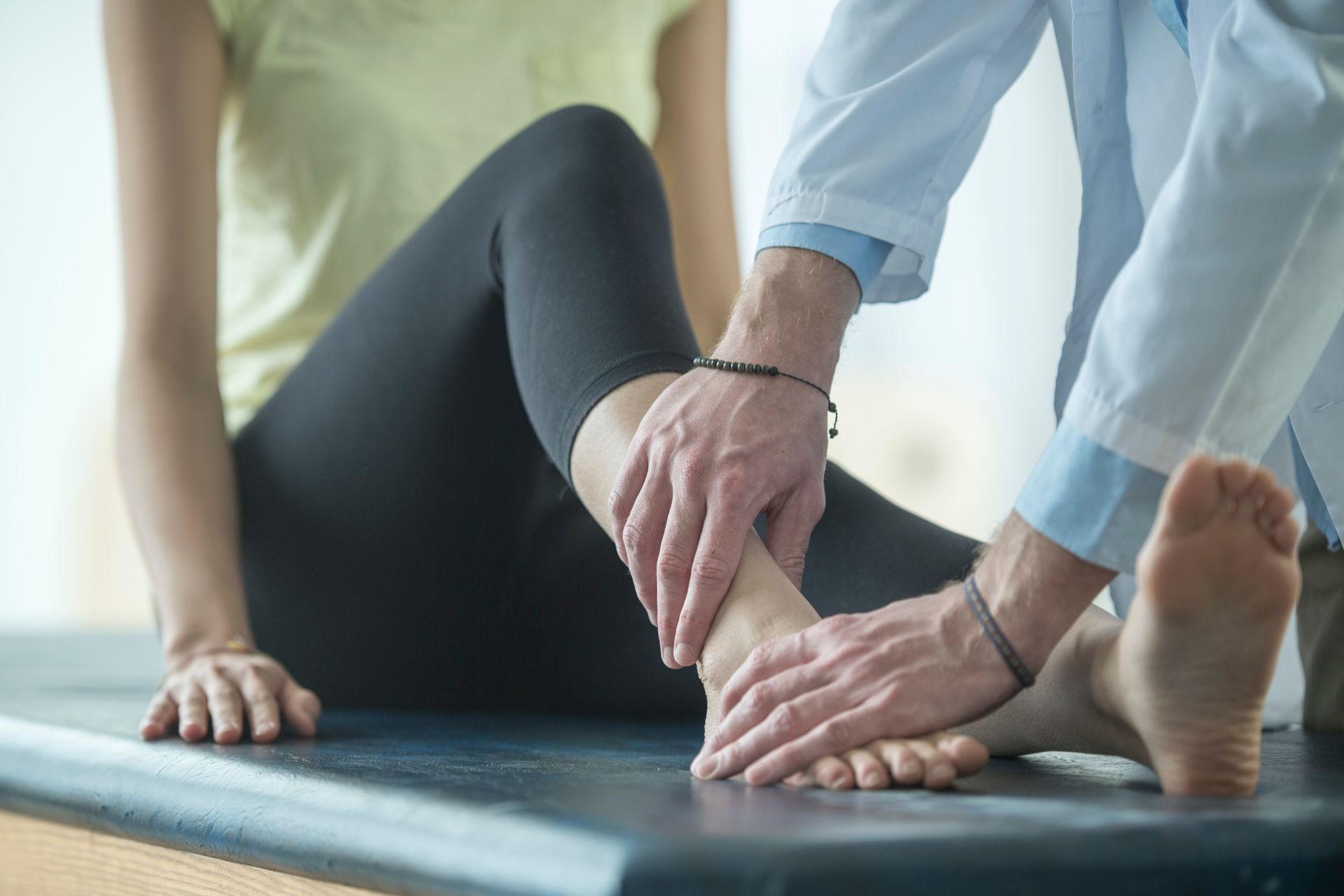
To enhance muscle activation during the rehabilitation of ankle injuries post-surgery, exercises such as calf raises, resistance band dorsiflexion, and proprioceptive balance training are particularly effective. Incorporating isotonic movements like toe curls and heel slides can further stimulate neuromuscular connections while promoting joint stability. Additionally, utilizing functional tasks like single-leg stands on unstable surfaces or wobble boards encourages dynamic stabilization and improves coordination. Strengthening specific muscles around the ankle—such as the tibialis anterior for dorsiflexion and gastrocnemius for plantar flexion—is critical in restoring optimal range of motion (ROM) and enhancing overall lower limb biomechanics. Integrating plyometric drills progressively into therapy aids in increasing power output while minimizing atrophy through progressive overload principles applied within a controlled environment focused on recovery outcomes.
Patients should generally begin neuromuscular reeducation within 24 to 72 hours post-surgery to optimize recovery outcomes and facilitate functional rehabilitation. Early initiation of this therapeutic intervention is crucial for enhancing proprioception, improving muscle activation patterns, and restoring motor control following surgical trauma. Engaging in targeted exercises that promote neuromuscular coordination can significantly mitigate the risk of postoperative complications such as atrophy or joint instability. Furthermore, integrating techniques like electrical stimulation alongside traditional physical therapy modalities fosters neural plasticity and accelerates strength gains during the critical healing phase. Consequently, timely implementation of a structured neuromuscular reeducation program not only aids in regaining range of motion but also supports overall patient progression towards preoperative activity levels efficiently.